The economic impact of the Middle East conflict, and sad news as pubs close at a rate of almost 2 per day
Not good news for the economy as the conflict in the Middle East continues, and the latest reports show that up to 2 pubs are closing each day in the UK. We cover this and more, in today’s blog post.
What will happen to interest rates in 2026?
The ongoing Middle East conflict has raised concerns over its effect on UK inflation and interest rates in the coming months.
At its most recent meeting, the Monetary Policy Committee (MPC) voted to maintain the Bank of England interest rate at 3.75%. In its report accompanying the decision, the Bank set out some potential scenarios for the coming months.
Here we review what could happen to interest rates in 2026.
How interest rates control inflation and dampen growth
The Bank is tasked with using interest rates to influence inflation, with the target of keeping inflation below 2%. Inflation was 3.3% in March. When inflation is above target, increasing interest rates encourages less spending, which reduces demand and helps to keep price rises in check.
Raising interest rates can dampen growth, though it may already be negatively impacted by the conflict. In other words, increasing interest rates can have a doubly dampening effect.
Earlier in 2026, inflation appeared to be on a downward trend but the conflict in the Middle East has affected oil supplies and prices in a way that makes increased inflation likely.
The Bank of England appears to have adopted a ‘wait and see for now’ policy, as they look to see the extent of the inflationary increases. It is likely to take a few more weeks for the effects of price changes to work their way through the system.
Potential scenarios ahead
The MPC’s report considers some potential scenarios and how the Bank may respond.
- Scenario A: Oil prices peak at $108 per barrel in 2026 before falling back to below $80 by early 2027. Gas prices similarly peak and fall back within a similar time frame. Secondary effects on inflation, where wages and prices of other items rise, are limited.
- Scenario B: Prices peak in a similar time frame to Scenario A but take longer to fall back. This has a more prolonged, but modest, effect on inflation.
- Scenario C: Energy prices rise sharply and stay high for a prolonged period. Inflation rises to over 6% by early 2027.
Scenario C is the most adverse scenario of the three and modelled reactions to this scenario suggest that multiple interest rate rises would be needed, perhaps reaching 5.25%, to bring inflation down more quickly.
The MPC note that the effect that this would have on growth, which is also forecast to have weakened, would need to be considered when deciding on actual rate rises.
Another possible alternative to these scenarios is that the situation in Iran resolves quickly, prices come back under control and there is no effect on interest rates.
The MPC’s report does not indicate which scenario is more likely, however, Andrew Bailey, the governor of the Bank of England, told the BBC that he considered scenario B to be the most likely.
Rates have still gone up
Although the Bank has not yet adjusted the official rate, interest rates on loans and fixed-rate mortgages have already increased in the weeks since the conflict started based on lenders’ expectations of what will happen in 2026.
This has already affected the housing market, with some buyers finding that their mortgage offer has collapsed or become unaffordable, and those renewing fixed-rate deals are finding that their options have suddenly become more expensive.
Clearly, there continues to be uncertainty about the scale and effect of the conflict on household and business finances. As ever, forecasting cash flows and planning for how changes in interest rates will affect your business’ finances remain important. If you need any help with this, please do get in touch. We would be happy to help you.
See: https://www.bankofengland.co.uk/monetary-policy-report/2026/april-2026
Fuel prices: Latest monitoring report from CMA
The Competition and Markets Authority (CMA) has published its monitoring report on fuel prices for April. They have found that the rapid increase in fuel prices since the Middle East conflict started has been driven by higher oil prices rather than profiteering by fuel retailers.
Analysis conducted by the CMA for the report shows that, in general, retailers’ fuel margins, the difference between the amount they sell for and the amount they pay, were broadly unchanged between February and March and are similar to margins throughout 2025. Average margins were 10.7 pence per litre for March and 10.3 pence per litre for February.
The CMA did note a minority of retailers had seen their fuel margin increased, and this will be the subject of further investigation for their May report.
There does, however, appear to have been a period of notably higher margins before the conflict started in December 2025 and January 2026. Average margins were 12.7 pence per litre for those months compared with 10.0 pence per litre in November 2025. The CMA is investigating the reasons for this.
Fuel margins are still higher than have historically been the case. It is thought that this is because of insufficient competition.
The CMA’s recently introduced Fuel Finder scheme may help to increase competition. The scheme makes it easier for drivers to shop around for the cheapest fuel, and could add pressure on retailers to bring prices and margins down.
The monitoring report indicates that shopping around could save drivers up to £9 per tank.
Sarah Cardell, Chief Executive at the CMA, commented that the lack of increase in retailer fuel margins shows that the CMA’s increased scrutiny is working. She said: “We will remain vigilant to ensure any fall in costs is passed on quickly to motorists.”
See: https://www.gov.uk/government/news/cma-publishes-latest-monitoring-report-on-road-fuel-market
Pub closures blamed on costs and disproportionate tax burden
The British Beer and Pub Association (BBPA) have reported that 161 pubs closed across the country in the first three months of 2026. It is estimated that this has led to the loss of 2,400 jobs. Scotland has been the most heavily affected, with 41 closures between January and March.
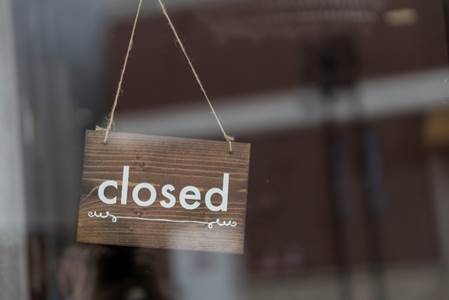
The BBPA have called for longer-term changes, including an overhaul of taxes affecting the hospitality industry.
Emma McClarkin, chief executive of the BBPA, said: “The scale of these closures is avoidable because pubs are doing a brisk trade, but their profits are wiped out by a disproportionate tax burden and tax costs. We want to work with government to establish a permanent long-term plan that will deliver permanently lower bills, a fairer system and ultimately protect this treasured sector.”
A 15% relief on business rates for pubs came into effect in April 2026 and will be followed by a two-year freeze. A government spokesman also noted extended opening hours for the World Cup and alcohol duty cuts on draught pints as part of the support that is currently being offered.
However, increased employment costs and shifting consumer habits continue to make trade challenging for many pub businesses.
If your business is under pressure by tax or other costs, getting early advice can make a big difference to your options. Please feel free to contact us; we would be happy to help you.